
On the Trail of New Brunswick’s Moose
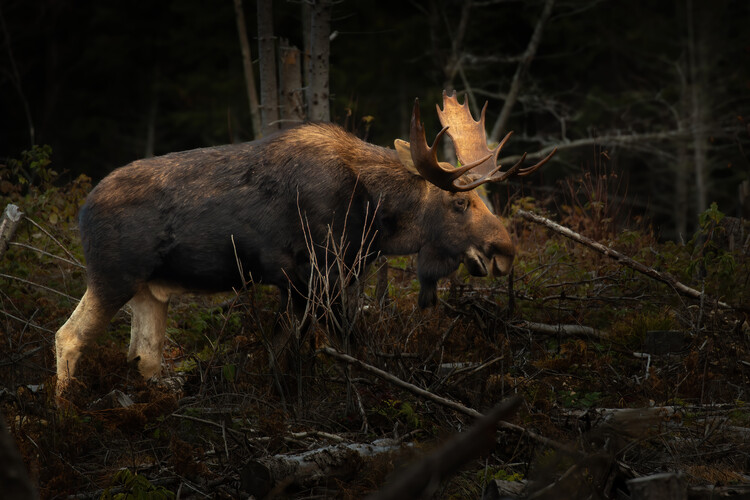
There are few wildlife encounters that are quite as memorable as spotting a moose in its natural habitat. With their towering legs, impressive size and unmistakable antlers (sometimes), these iconic animals have become one of New Brunswick’s most anticipated sights. For many visitors, and residents too, catching a glimpse of a moose is at the top of their provincial park bucket list.
So, where can you find one?
While there’s no guarantee that a moose will make an appearance during your visit, there are a few things you can do to increase your chances of spotting one. Understanding where moose spend their time, what they eat and how their behaviour changes throughout the year can help you become a better wildlife watcher.
But finding a moose is only half the adventure. Our provincial parks are home to a wide variety of wildlife and keeping these animals’ wild means giving them the space and respect they deserve. So, these tips aren't just about where and when to look. They're also about how to safely observe a moose when you find one.
Grab your binoculars, camera or smartphone, keep your eyes on the trail and read on. Your next New Brunswick moose sighting might be closer than you think.
A Year in the Life of a New Brunswick Moose
Finding a moose means thinking like one. What does a moose want? Food, water, and a little peace and quiet. And, depending on the time of year, maybe a mate.
Just like us, moose have a routine that changes with the seasons. Where they go, what they eat and how they behave can look quite different from spring to winter. Knowing what they're up to throughout the year might help you be in the right place at the right time.
So, let's follow a New Brunswick moose through the seasons.
Spring: Follow the Food
After a long New Brunswick winter, spring brings a welcome change for moose.
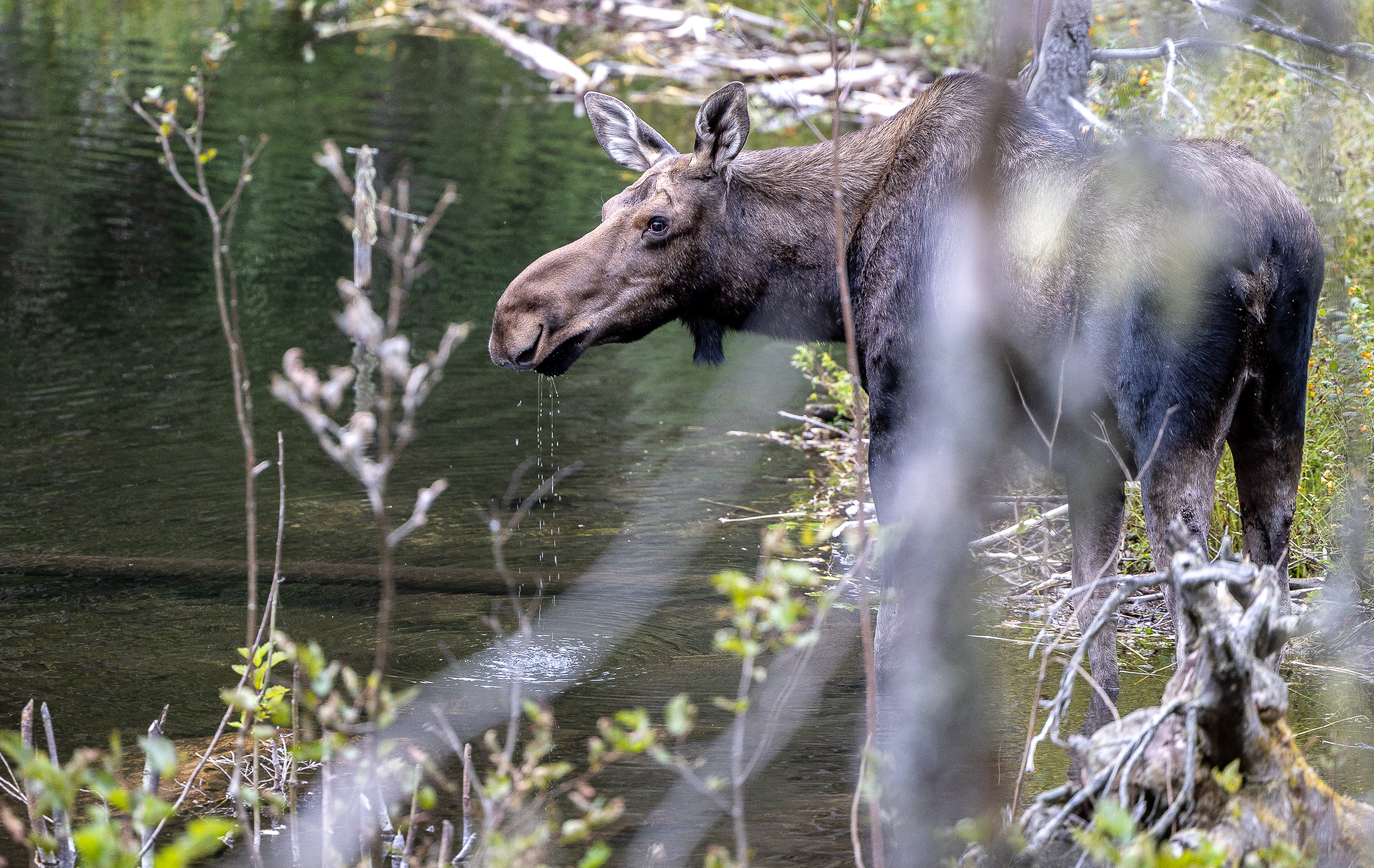
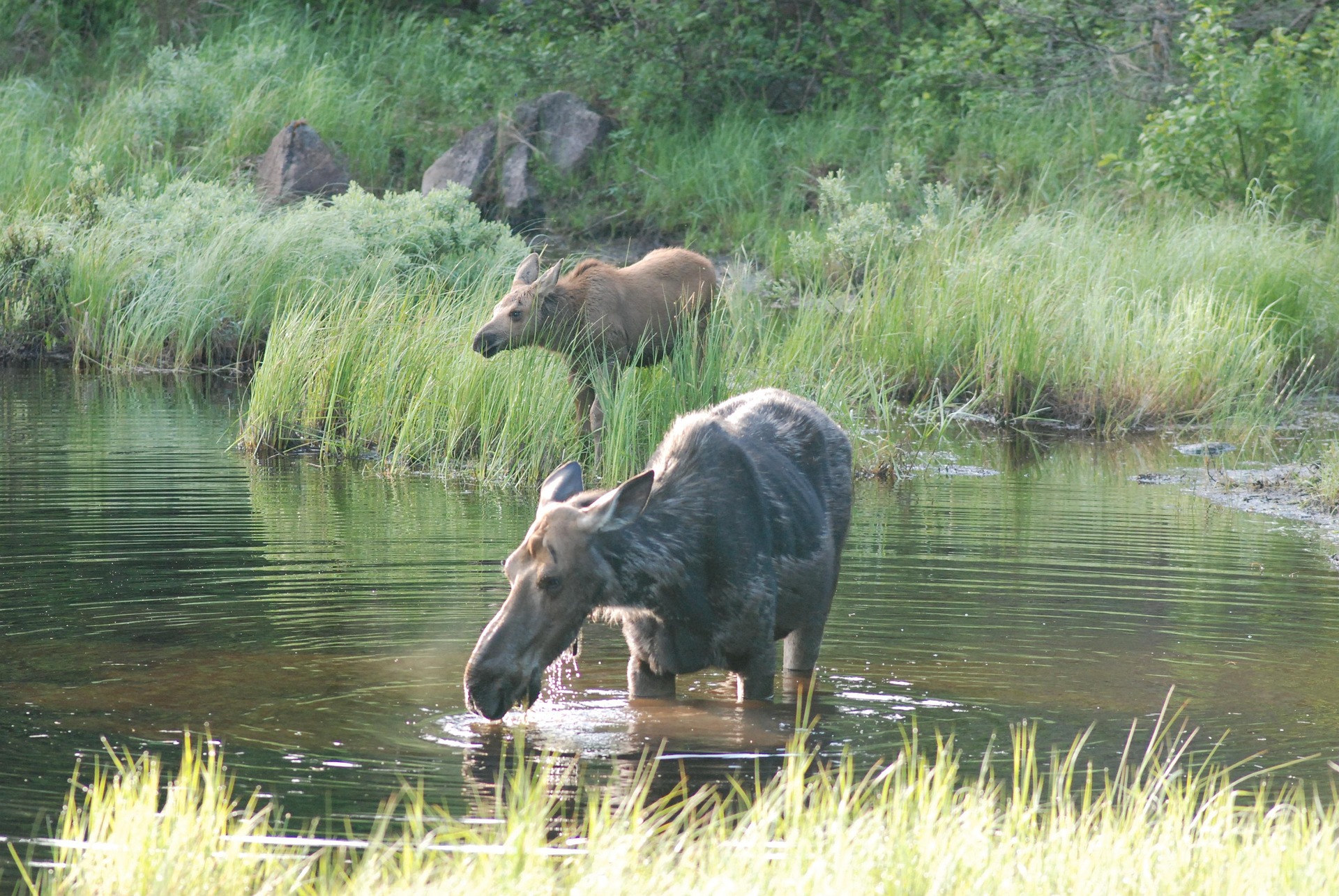
As the snow melts and the landscape begins to wake up, moose are drawn toward wetlands and shallow water. This part of their annual cycle is sometimes called the aquatic phase, and there is one very important reason they make their way to the water:
Food.
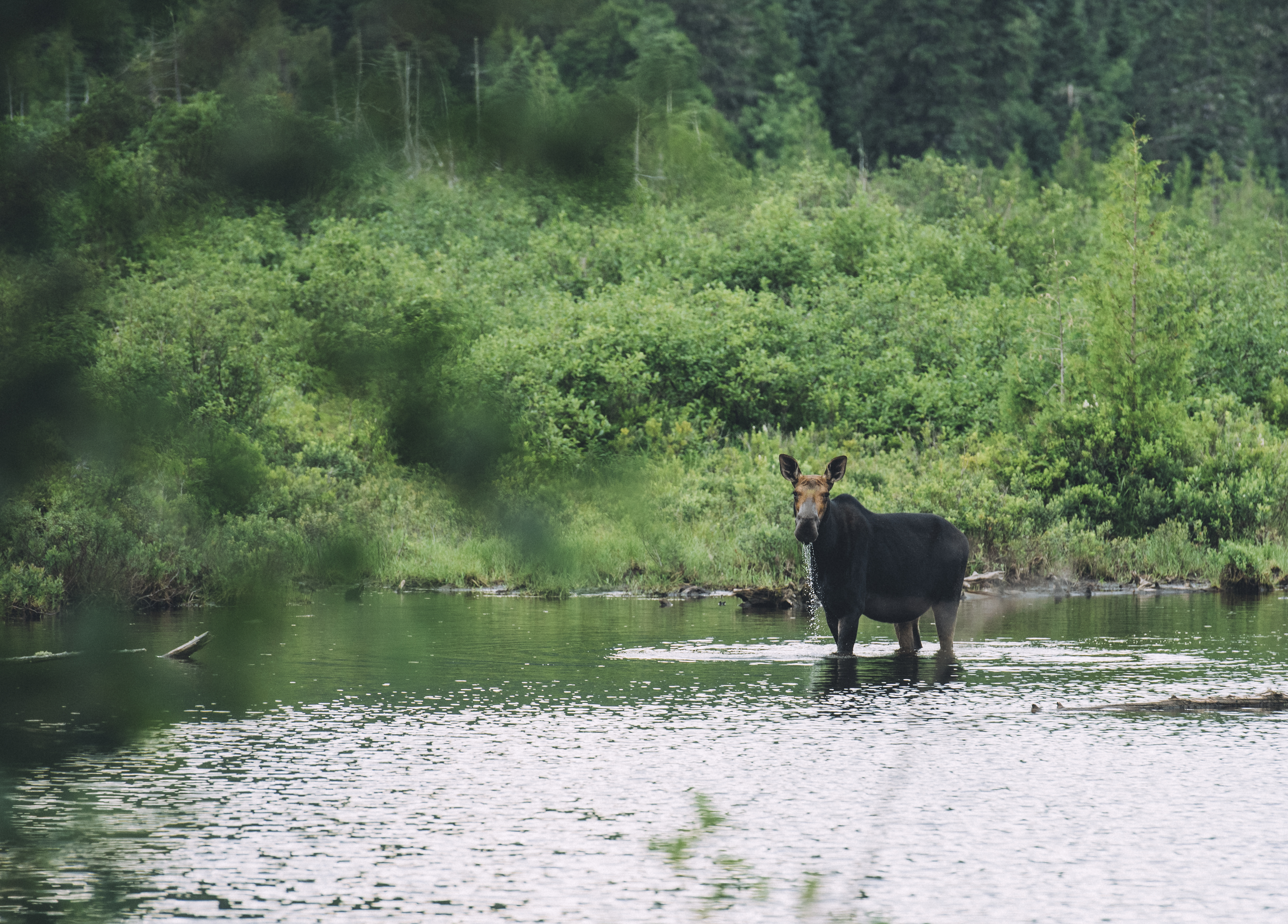
After months of relying on lower-nutrient winter foods, moose seek out sodium-rich aquatic plants growing in and around wetlands. They may wade into shallow water and spend considerable time digging and feeding beneath the surface.
Did you know? Moose can dive as deep as 5 to 6 meters (16 to 20 feet) underwater and can stay underwater and hold their breath up to 60 seconds!
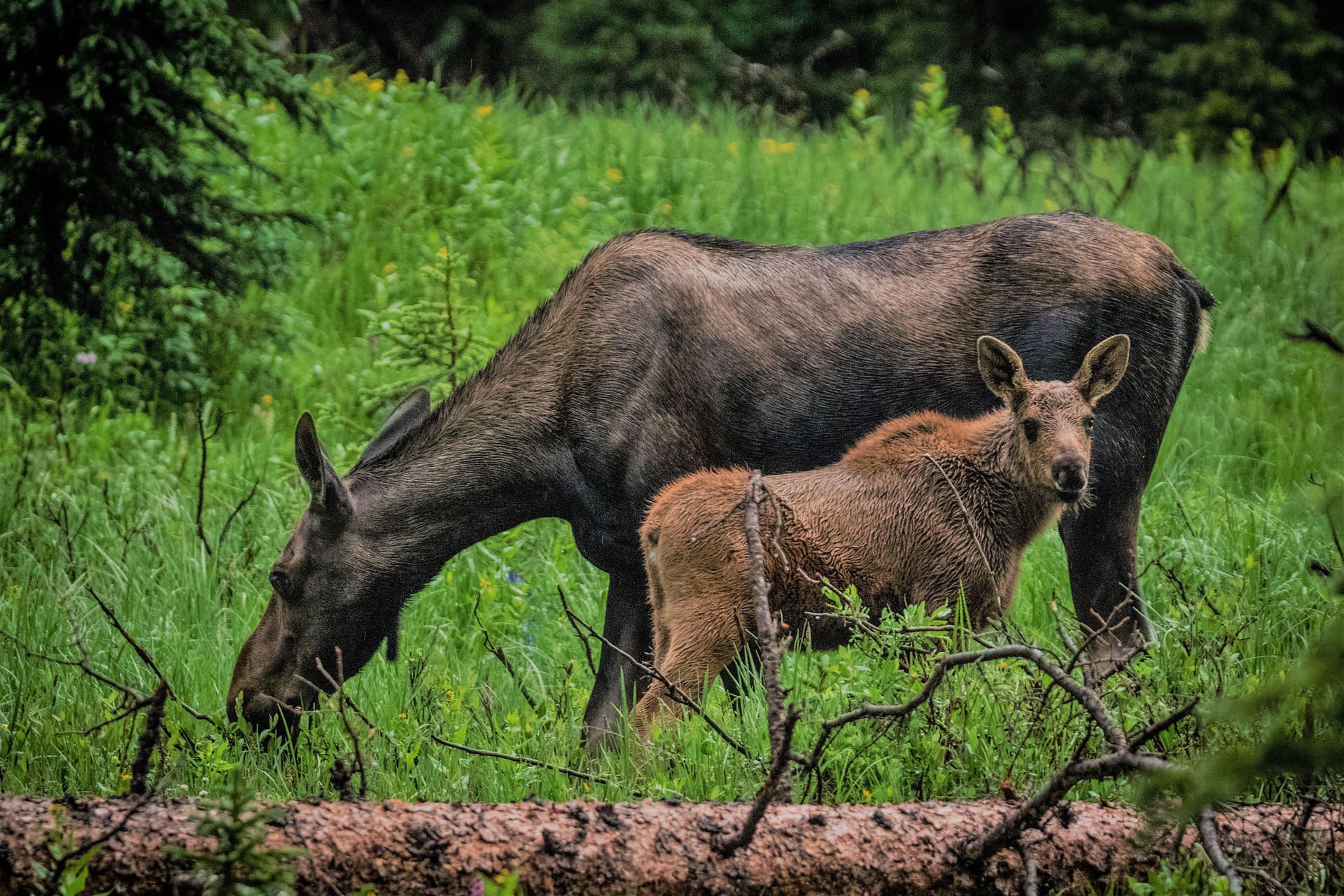
Spring can also bring one of the most exciting moose sightings of all: a cow (female moose) with her calves. New calves may be seen travelling with their mothers, making a springtime encounter particularly memorable.
Bull moose have their own reason to focus on food. They're replenishing nutrients and preparing for another year of antler growth. Those impressive antlers require plenty of energy and nutrients to grow, so a bull with a meal in front of him may be very focused on finishing it.
That means you might encounter a moose that doesn't immediately disappear when it sees you. Instead, it may continue eating while keeping a very close eye on you.
Don't take this as an invitation to come closer.
A hungry moose is still a wild animal. Give it plenty of space, let it enjoy its meal and enjoy the sighting from a safe distance.
Summer: The Art of Staying Cool
Then comes summer, bringing long days, warm temperatures and plenty of sunshine.
For humans, that's often an invitation to get outside and really soak in the warmth of the sun. For a moose, a hot, sunny afternoon is more likely to inspire a search for shade.
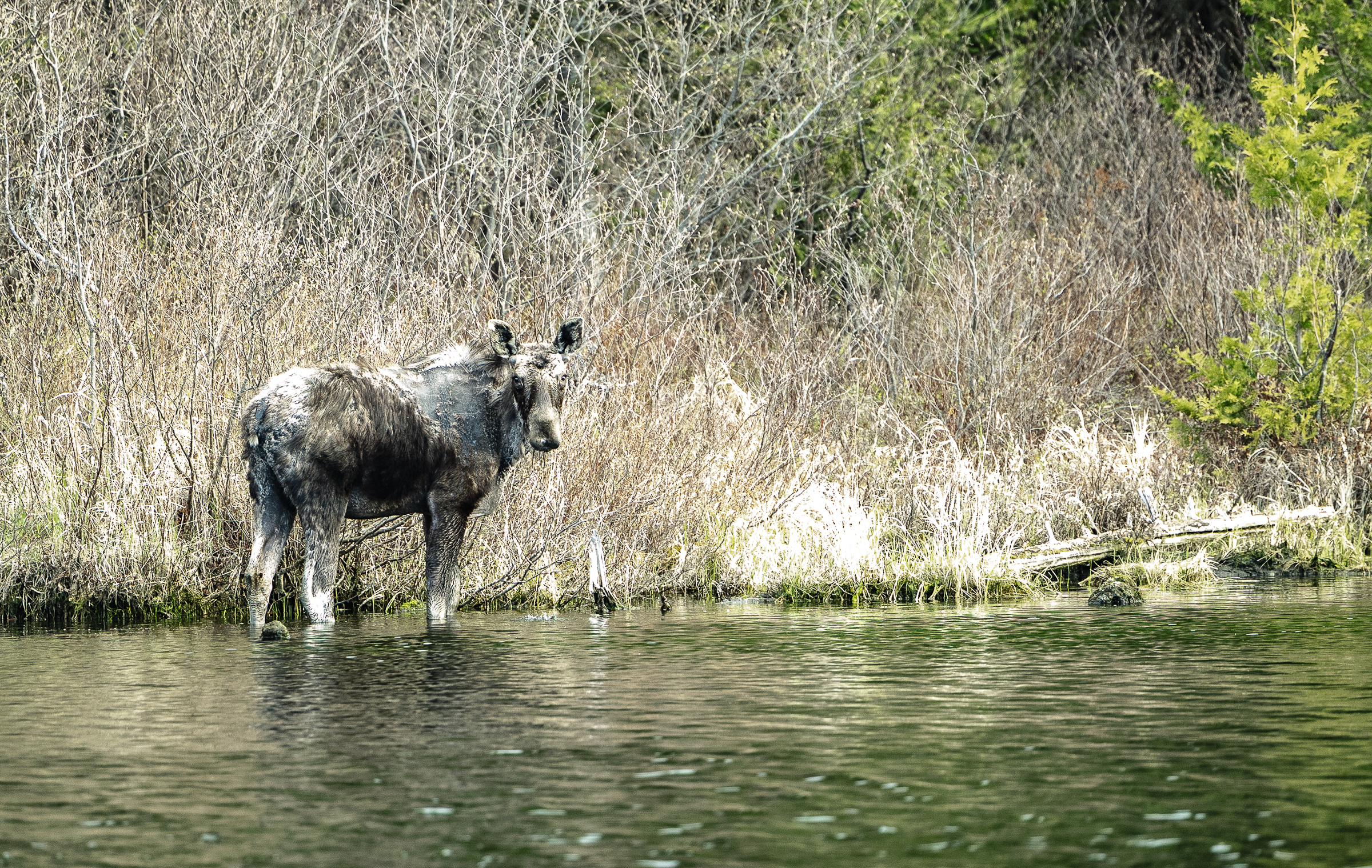
Moose are built for cold weather. Their large bodies and dense coats make it difficult to cool down when temperatures rise, and they don't have functional sweat glands. During the warmest parts of the day, they may retreat beneath the shaded cover of the forest.
That can make summer the trickiest season for moose spotting. But don't give up.
Early risers may have an advantage. As the sun comes up and temperatures are still comfortable, moose may venture out to feed or find water. The same can happen around dusk, when the heat of the day begins to fade.
So, if you're hoping to spot a moose in summer, consider getting out early or staying out a little later.
And if you don't see one? Don't worry. The moose probably saw you.
Fall: Romance and Rivalry
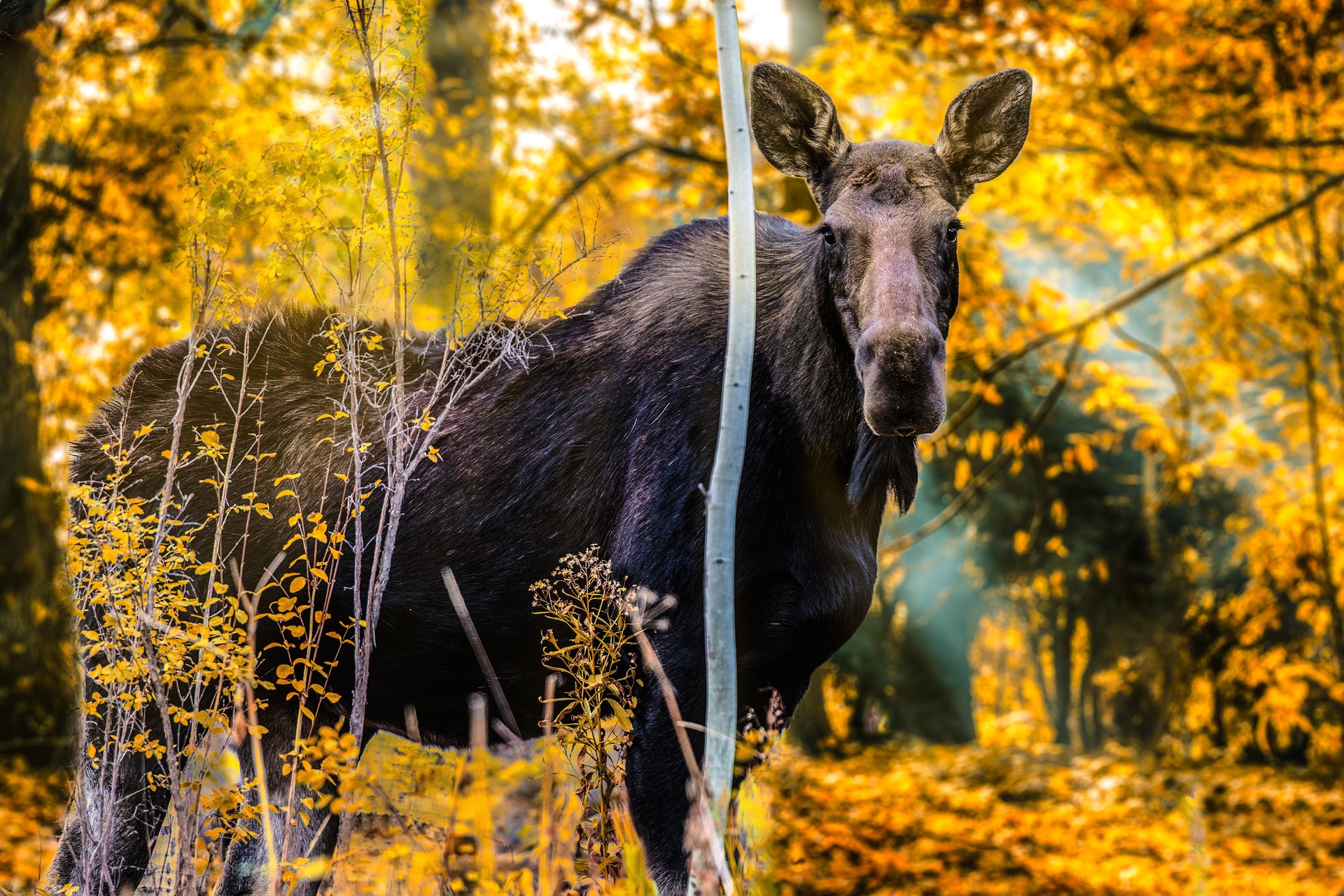
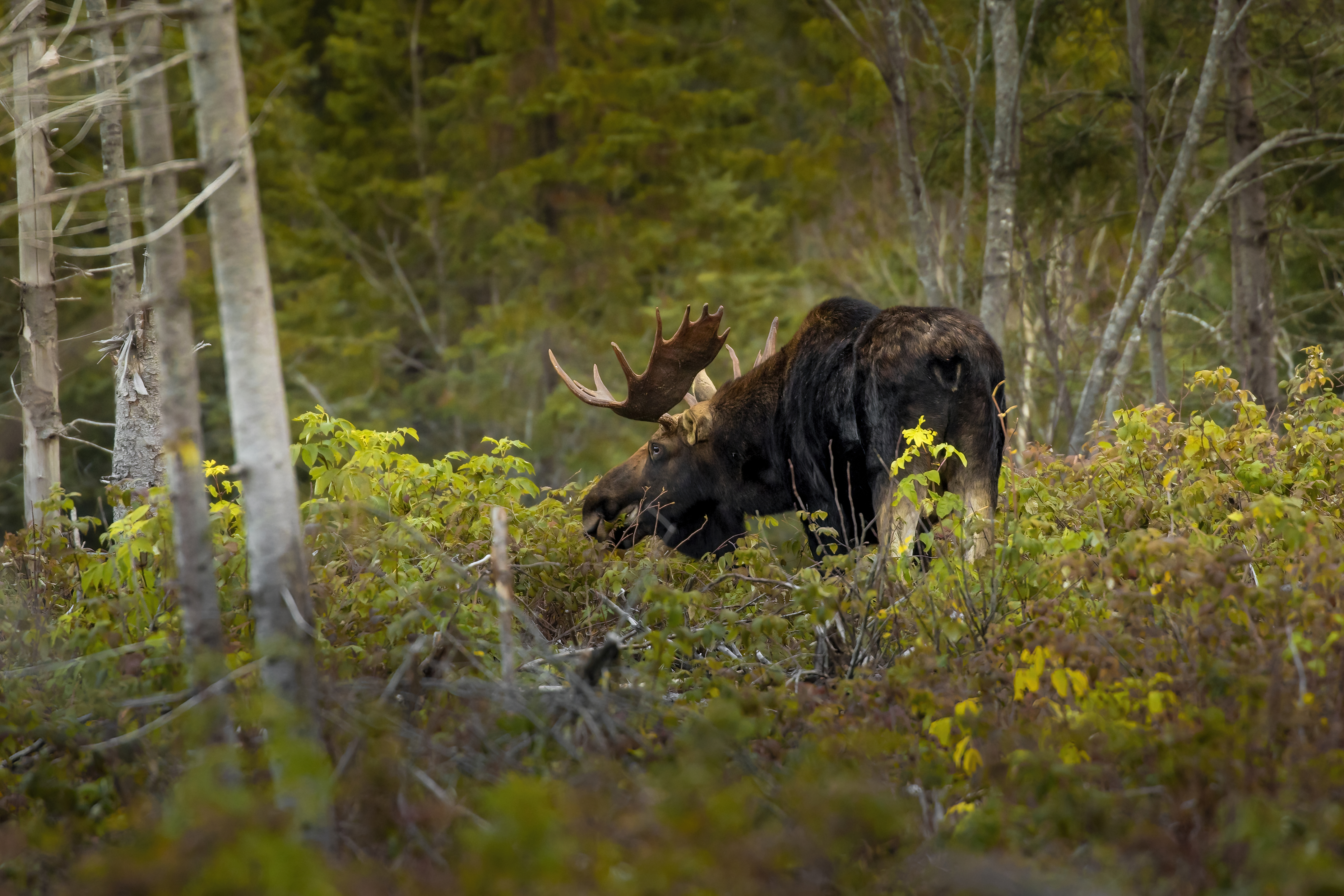
As summer fades into fall, the days become cooler, the leaves begin to change, and moose behaviour shifts once again. The forest is preparing for winter, but before the snow arrives, there is an important item on the moose calendar:
Mating season.
Fall is when bull moose search for mates, and the normally quiet forest can suddenly become much more interesting.
You may hear a moose before you see one. Bull moose can produce a deep, haunting call that carries through the forest, particularly at night when everything around them is quiet. Their calls can sound surprisingly powerful, almost like distant foghorns echoing through the trees.
For a visitor lucky enough to hear one, it's an unforgettable New Brunswick experience.
But fall is also a season when wildlife watchers need to be especially careful.
By this point in the year, bull moose have fully developed antlers, which they may use when competing with other males. Their behaviour can become more aggressive and unpredictable during mating season.
So, if you encounter moose that appear to be competing or fighting, give them lots of room. This is not the time to get a front-row seat for the drama. Back away and let them carry on with their business.
Winter: Slow Down and Save Energy
Eventually, those brilliant fall colours give way to bare branches, frozen ponds and snow.
Winter brings another change in the life of a moose.
With mating season complete, moose generally become more solitary. Food is harder to find. The warmer months with abundant fresh vegetation are gone and they must rely heavily on twigs, bark and shrubs for sustenance.
With food resources limited, conserving energy becomes especially important. A moose may spend considerable time in a relatively small area, making use of the vegetation available before moving on to find another suitable spot. It's a much slower pace than the roaming and feeding we might observe during other times of the year.
Winter also gives observant visitors a chance to discover evidence of moose activity that might otherwise go unnoticed.
One particularly interesting find is a large, packed-down depression in the snow. A moose bed. These enormous-looking craters are places where a moose has rested, using the snow as shelter while conserving energy during New Brunswick's coldest months. Their dense winter coats provide excellent insulation, while their bodies carry energy reserves to help them through the season.
So, if the winter forest seems quiet, don't assume the moose have disappeared. They're still out there. They're simply taking winter at a slower pace.
The Antler Cycle
For an observant visitor, finding a naturally shed antler can feel like discovering a little piece of the forest's story.
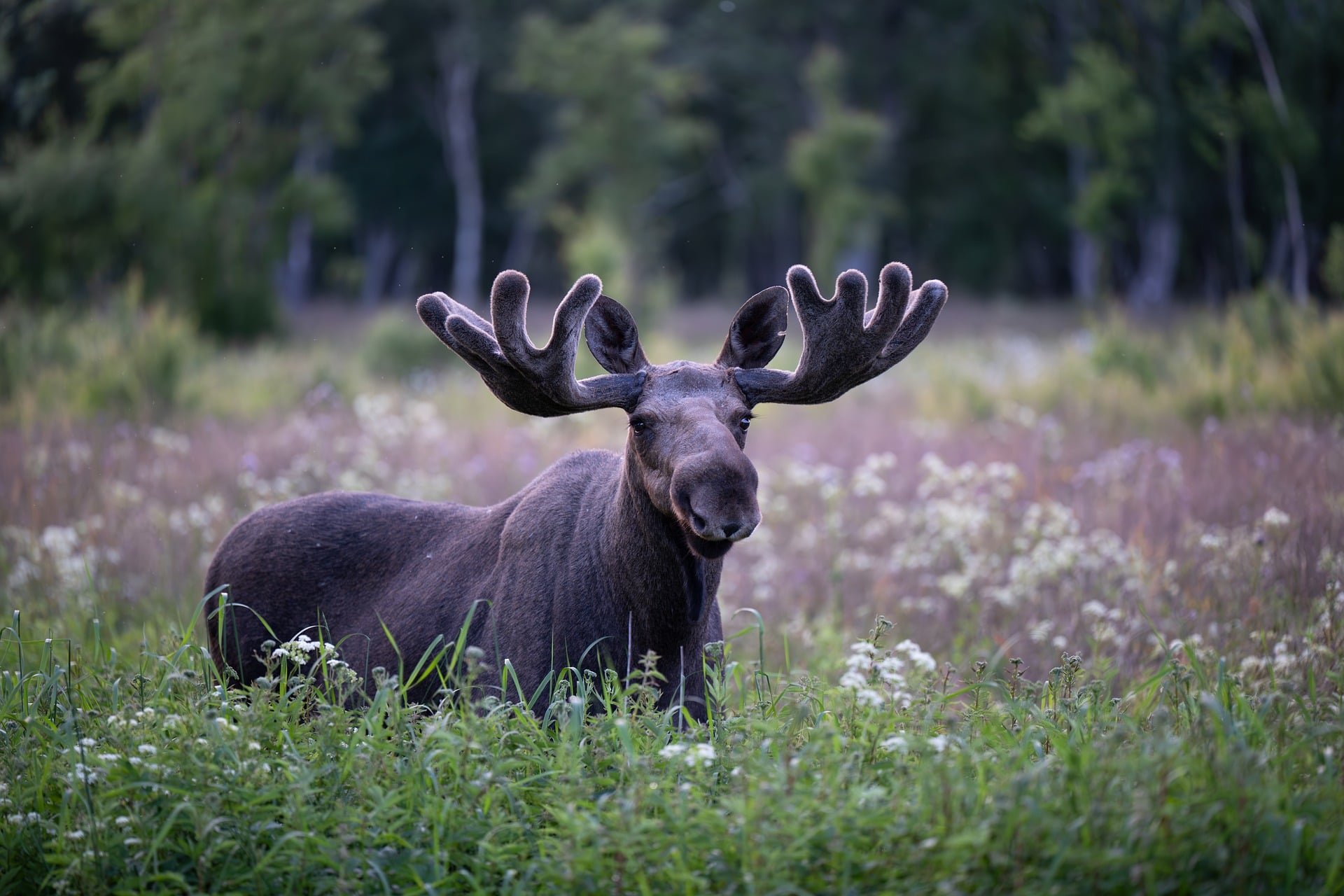
Bull moose shed their antlers after mating season, generally in late fall or early winter. The impressive antlers that played such an important role during the fall are eventually left behind, ready for the cycle to begin again.
If you're lucky enough to spot a shed antler, admire it where you find it. Provincial parks are protected natural spaces, and natural objects should be left where they belong. The best souvenir is the memory of finding it and probably a photo or two!
Moose Safety- For you AND the moose
If you've travelled to New Brunswick hoping to see a moose, we understand the excitement. A moose sighting can turn an ordinary walk into a story you'll tell for years. But the best wildlife encounter is one where everyone goes home safely.
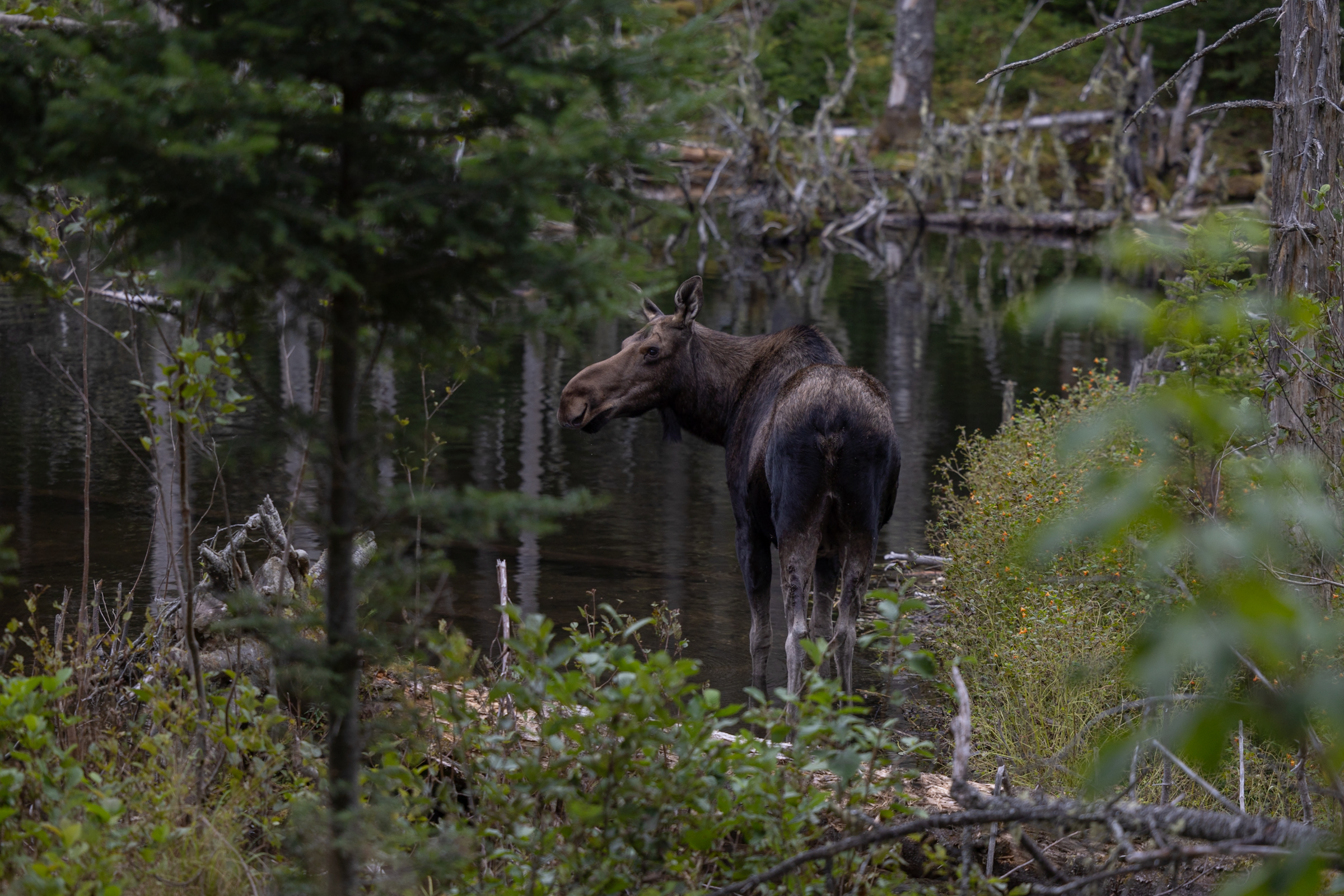
Our provincial parks are home to wildlife. We are visitors in their habitat, which means our role is to observe respectfully and give animals the space they need to behave naturally.
Keep Your Distance
Maintain a minimum distance of 23 metres from a moose.
What does 23 metres look like? We are happy to share a few examples:
• About four and a half two-person canoes laying end to end
• A little more than two standard school buses parked bumper to bumper
• Between five and six average picnic tables lined up end to end
• Approximately 30 hiking boots lined up heel to toe
(Hope this helps!)
Giving a moose this space helps it remain comfortable and gives you the opportunity to observe it without disturbing its behaviour.
If it stops feeding, becomes fixated on you, starts moving away or otherwise changes its behaviour because of your presence, you may be too close. Back away and give it more room.
Extra caution is needed around cows with calves, which may be protective of their young, and around bull moose during the fall mating season, when their behaviour can become aggressive or unpredictable.
What If You Suddenly Find Yourself Face-to-Face with a Moose?
Sometimes you don't go looking for a moose. Sometimes the moose finds you.
If the moose hasn't noticed you, try to keep it that way. Stay still and give it the opportunity to move along on its own.
If it has noticed you, speak calmly and slowly while moving away, if possible. A large tree or another substantial object can provide a useful barrier between you and the moose. Keep your movements controlled and avoid anything that could make them feel threatened.
Pay attention to its body language. Ears laid back, hair standing up along its back and stomping can all indicate that a moose is becoming agitated.
If a moose charges, run away and seek cover. If possible, get behind a large tree or other substantial barrier and stay there until the moose has moved a safe distance away.
Never charge toward a moose in an attempt to scare it away. A moose knows it's bigger than you.
Never approach a moose to get a better photograph, and don't try to get its attention so you can capture the perfect shot. Use a zoom lens if you have one. Use binoculars. Or simply stand quietly and enjoy the moment. You don't need to be close to appreciate a moose.
In fact, the best wildlife photographs are often the ones where the animal doesn't even realize it's the star of the show.
What If You See a Moose from Your Vehicle?
Moose don't always stick to the forest. You may encounter one along a road or even standing directly on the road through a provincial park.
The same rule applies: Give them space.
If a moose is stopped in the middle of the road, come to a complete stop at least 20 metres away and turn on your four-way flashers. Give the moose time to decide where it wants to go.
If a moose is walking or running on, or alongside the road, maintain that distance and follow slowly behind at the same pace, with your four-way flashers on. If the moose stops, you stop.
Don't follow closely for a photograph or video. Crowding wildlife with a vehicle can create a dangerous situation for the animal, you and other people on the road.
A Sighting Worth Remembering
There is something wonderfully special about seeing a moose in New Brunswick. Maybe you spot one standing quietly at the edge of a wetland in spring or catch a glimpse of one emerging from the forest at dawn on a summer morning. Maybe you hear a bull calling through the trees on a cool fall evening.
Or perhaps, after the snow arrives, you discover a set of tracks or a great big moose bed pressed into the snow.
Not every visit to a provincial park will come with a moose sighting. And that's okay.
Wildlife doesn't perform on demand.
The joy is in knowing that, somewhere beyond the trail, these magnificent animals are going about their lives: feeding, resting, raising their young, searching for mates and making their way through another New Brunswick season.
If you're lucky enough to see one, give it space. Watch quietly. Take the photo from a safe distance if you can. And then let the moose carry on with its day.
Because the most successful wildlife encounter isn't the one where you get the closest. It's the one where you and the moose can both enjoy the moment, safely and from afar.